
Riyadh's King Khalid International Airport reopened on Sunday after attacks by Houthi rebels in Yemen had forced it to close, but carriers across the region and beyond are still adjusting their schedules, with several continuing to keep Saudi flights on hold. The reopening restores a key gateway, yet the picture for travellers remains uneven, with some airlines resuming services and others extending suspensions well into next year.
The disruption reaches far beyond Riyadh. Airlines have cancelled or changed flights linking Gulf hubs with Jeddah, Dammam, Abha, Taif and Madinah, while long-haul carriers from Europe, Asia and North America have pushed back their returns or delayed planned new routes. The result is a patchwork of resumed, reduced and suspended services that passengers must check flight by flight.
Gulf carriers resume at different speeds
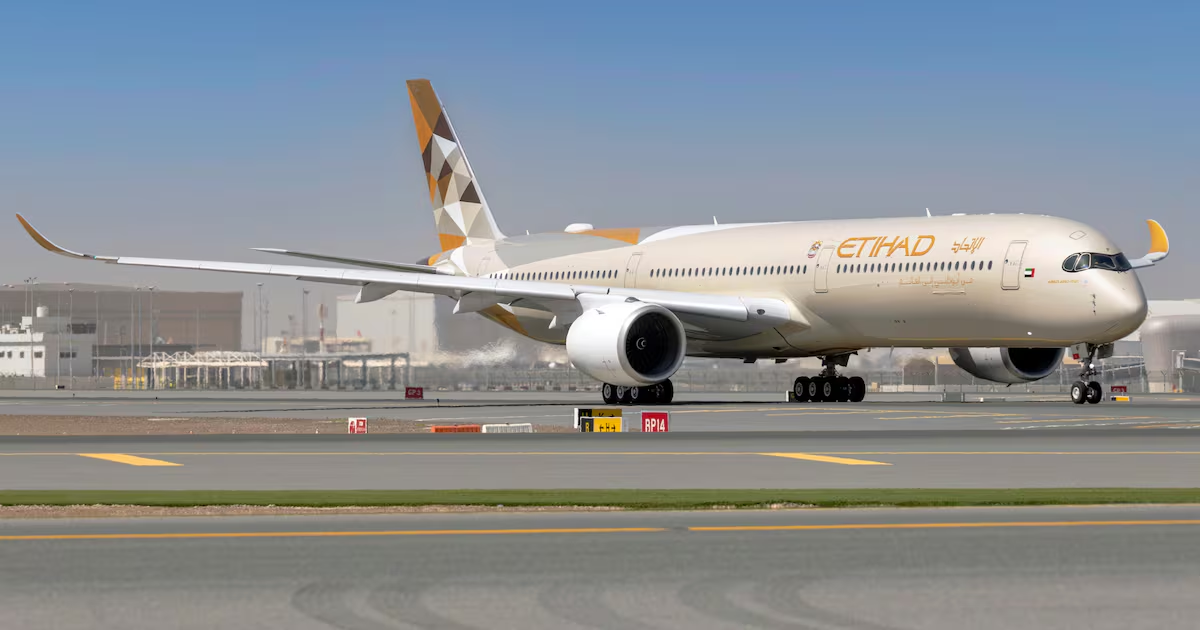
Etihad cancelled its Abu Dhabi-Riyadh flights through Monday, October 19, and its Dammam and Jeddah services were also affected. Its Jeddah flights EY601, EY602, EY603 and EY604 were listed to operate on Sunday, October 18. Emirates recorded cancellations and schedule changes on its Dubai routes to Riyadh, Jeddah and Dammam, with six Dubai-Riyadh services listed for October 20: EK815, EK817 and EK819, together with the returns EK816, EK818 and EK820.
Air Arabia scrapped Sharjah flights to Riyadh, Abha, Dammam and Taif, and has not announced a date for resumption. Gulf Air said flights after Sunday, October 18 are proceeding as scheduled, following earlier cancellations to Riyadh. Oman Air suspended all Riyadh flights until October 22, while the Omani low-cost airline cancelled its Riyadh and Dammam flights until October 31, citing regional security developments.
The differing timelines mean travellers using Gulf hubs face a mixed board. Some connections are running again, others remain grounded for days or weeks, and passengers booked on affected services are being moved or rebooked depending on the carrier.
European and US carriers extend suspensions
The French airline extended its Riyadh suspension to October 24, and the German carrier suspended Riyadh flights until November 18, extending an earlier October 16 deadline. The Dutch airline extended cancellations of all Riyadh and Dammam flights to October 31. Lufthansa Group lists Dammam services suspended through November 30, while Eurowings resumes Jeddah on November 12.
British Airways plans a limited return to Riyadh on November 3 with one daily flight. The US airline pushed its Atlanta-Riyadh launch from October 23 to March 2027, a far longer delay than most.
For European and American carriers, the decisions reflect a cautious approach, with some returning on reduced schedules and others waiting months before restoring links to the Saudi capital.
Asian airlines take a longer view
Air India and Air India Express suspended Riyadh, Jeddah and Dammam flights until October 24, and another Indian airline cancelled Riyadh, Jeddah, Dammam and Madinah flights until the same date. Malaysia Airlines will resume Jeddah and Madinah flights on October 18 after a safety review.
The Singapore Airlines-owned low-cost carrier cancelled Singapore-Jeddah flights until December 2. The Hong Kong airline extended its Riyadh suspension to January 31, 2027, the longest suspension among the carriers listed.
The spread of dates shows that Asian carriers serving Saudi Arabia are working to different assessments of risk, with short pauses for some routes and multi-month gaps for others.
What it means for Gulf travellers and businesses
For residents and businesses in the UAE and the wider Gulf, the reopening of Riyadh airport is welcome but does not restore normal travel. Anyone planning to fly to or from Saudi Arabia should confirm their flight directly with the airline, since schedules are changing and some suspensions run for weeks or months.
Companies with staff, suppliers or customers in the kingdom face continued uncertainty over business travel and cargo connections, particularly on routes to Dammam, Jeddah and Riyadh that remain suspended. Firms relying on air links between Gulf hubs and Saudi cities may need to plan around reduced capacity and longer lead times.
The staggered return of airlines also matters for the region's aviation hubs, which depend on dense connections across the Gulf. Until more carriers restore their Saudi services, travellers should expect fewer options and possible rebooking, and should build flexibility into any plans involving the kingdom.