
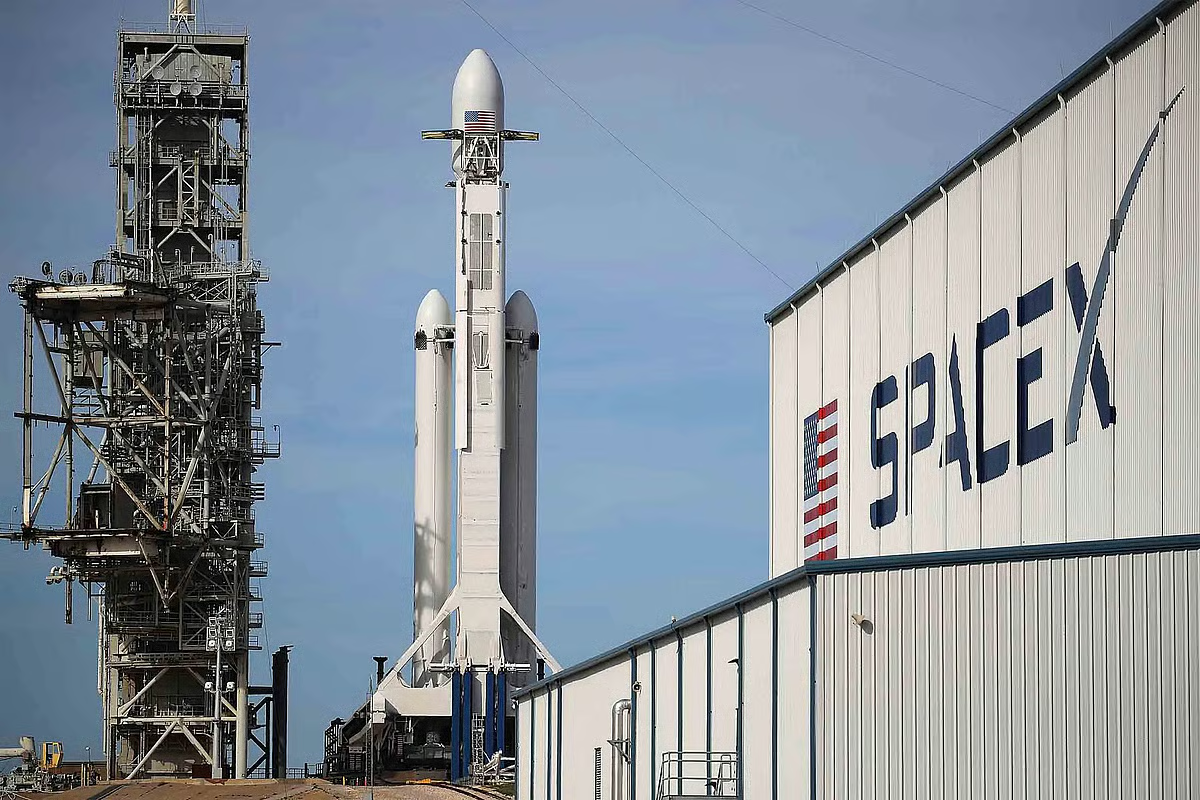
Elon Musk's two flagship companies, Tesla and SpaceX, are examining a possible combination that would bring electric vehicles, rocket launches, satellite internet and artificial intelligence under one roof. Special committees of independent directors were formed on Tuesday at the request of shareholders to review a deal, according to reporter's notes. Musk, who leads both firms, has expressed support for combining them but stressed that no terms have been settled.
Musk cautioned that treating a Tesla-SpaceX merger as certain would overstate the situation, and he said his conflict of interest kept him out of the committees' discussions. The notes show no agreed financial benefits or deal terms have emerged so far. Any transaction would hinge on relative valuations, which would determine how much of a combined company each shareholder group receives.
What a combined company could offer
For Tesla holders, a merger could provide exposure to SpaceX's satellite broadband, launch services and AI computing capacity. SpaceX has expanded rapidly in these areas, and its Starlink network now serves millions of consumers. The notes indicate that Tesla shareholders could gain access to these businesses if a deal were reached.
SpaceX's AI division, called Super Intelligence, generated $7.6 billion in revenue in the quarter. The company's overall revenue climbed 161 per cent to $14.6 billion, while quarterly capital spending reached $19.6 billion, with $16.4 billion directed to AI. Computing capacity rose to 1.7 gigawatts from 0.6 gigawatts a year earlier.
Starlink revenue grew 69 per cent to $5.2 billion, with 13.6 million consumer subscribers. However, average monthly revenue per Starlink consumer dropped to $69 from $83, suggesting pricing pressure as the subscriber base expands. These figures illustrate the scale of the businesses that could be combined.
Ownership and voting power
Musk's ownership stakes in both companies are central to any merger discussion. As of June 30, he held 48.4 per cent of SpaceX and more than 82 per cent of its voting power. He owns roughly 20 per cent of Tesla, according to the notes.
The disparity in voting control could complicate negotiations, as SpaceX's governance structure gives Musk outsized influence. Musk said his conflict of interest kept him out of the committees' talks, leaving independent directors to assess the terms.
Musk also described the requirement for a majority of all Tesla shares as a 'quite a high hurdle'. That threshold, if applied, would require broad support from Tesla's shareholder base, which includes many institutional investors.
No terms agreed yet
Despite Musk's support for a combination, the special committees have not settled any terms. The notes state that no agreed financial benefits or deal terms have emerged from the discussions so far. The committees were formed at shareholders' request, indicating investor interest in exploring the idea.
Relative valuations would shape how much of a combined company each shareholder group gets. Without agreed valuations, it is impossible to determine the exchange ratio or the ownership split between Tesla and SpaceX investors.
Musk's caution that a merger is not certain suggests the process remains at an early stage. The independent directors will need to weigh the strategic benefits against the complexities of combining two very different businesses.
What it means for the Gulf
For residents and businesses in the UAE and wider Gulf, a Tesla-SpaceX combination could have implications for technology, connectivity and investment. Starlink's satellite internet service is already available in some markets, and a merged entity might accelerate its expansion. Gulf consumers and companies reliant on high-speed connectivity could benefit from improved service offerings.
The region's sovereign wealth funds and institutional investors hold stakes in global technology companies, and any merger would be closely watched. A combined Tesla-SpaceX would create a sprawling technology and infrastructure group with exposure to AI, space and automotive sectors. Gulf investors may need to reassess their portfolios if such a deal materialises.
However, the notes emphasise that no deal terms have been agreed and that Musk himself has warned against assuming a merger will happen. For now, the story is one of exploration rather than certainty, and its impact on the Gulf will depend on whether the companies can navigate the complex ownership and valuation issues involved.